





Introduction
There is a reason why most everyone in the world knows the Spanish word for party is fiesta. Spaniards know how to enjoy life, eat great food and party!
You can find a fiesta or popular festivals and carnivals everywhere in Spain throughout the year. The La Tomatina Festival in Valencia brings thousands of people every year in August to throw more than 240,000 pounds of tomatoes at each other. Dia de Santiago is a celebration of the patron saint of Spain. This national holiday takes place on July 25 and includes fireworks and parades. Another famous festival is the Running of the Bulls in Pamplona. The tradition started in northeastern Spain in the 14th century when cattle needed to be transported and cattle drivers used tactics of fear and excitement to make them move faster. Now this tradition is a competition where young adults attempt to race in front of a dozen bulls on a sectioned-off course.
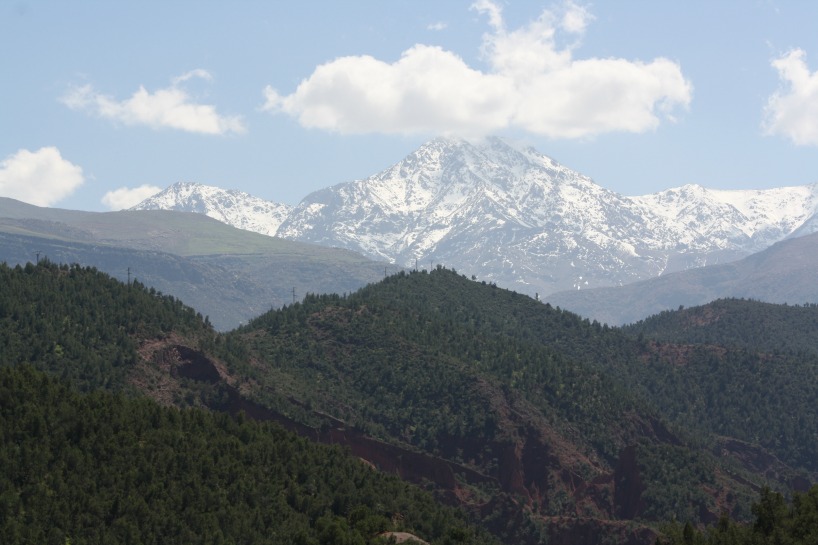
The sun and sea can be enjoyed year-round in this picturesque place. Spain is known to be one country comprised of many. In Spain, you can sit on the beach, feel the warm Mediterranean breeze and drink sangria or go skiing in the mountains or stroll through friendly and charming rural villages. If you need more adventure in your day, Spain also is popular for its bullfights, called corrida de toros.
Spain is spread across a varied landscape of over 195,000 square miles, making it the fifth-largest country in Europe and fifty-second in the world. The country is made up of 17 autonomous regions, two autonomous cities and 52 provinces. There are nearly 5,000 miles of beaches along the coast, adding to the beauty of Spain.
Spain’s population of more than 47 million makes it the twenty-eighth largest in the world. The predominant language spoken is Spanish, also called Castilian. It is the only language in the country that has official status and is spoken either as a first or second language.
