













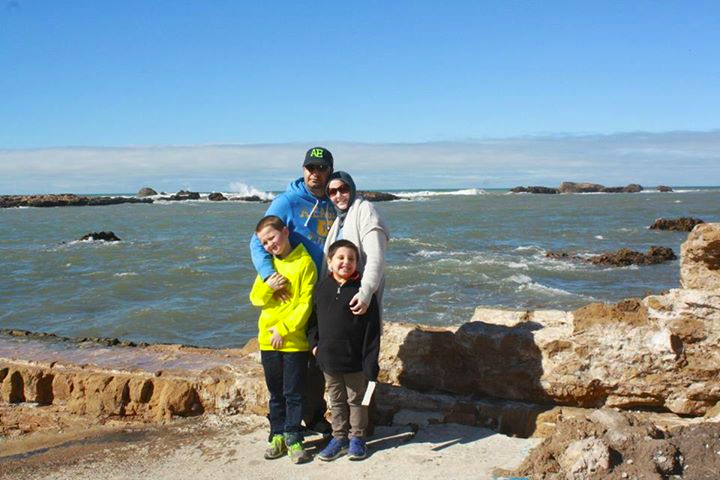
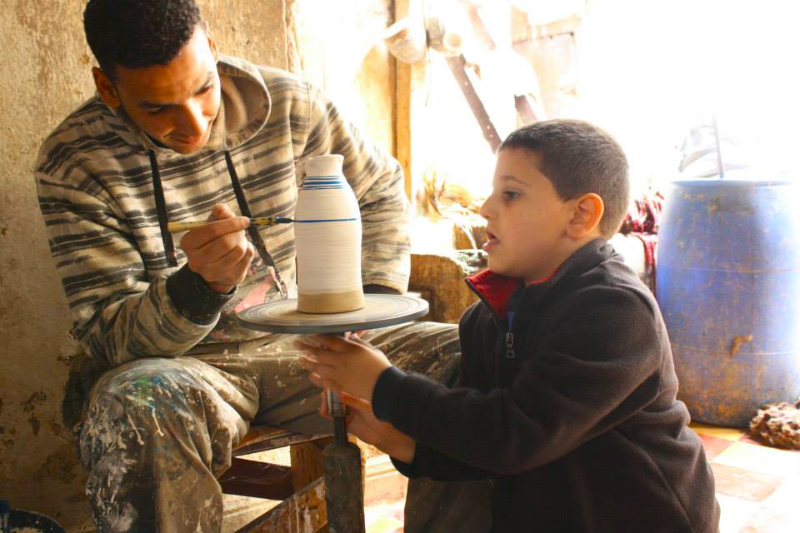
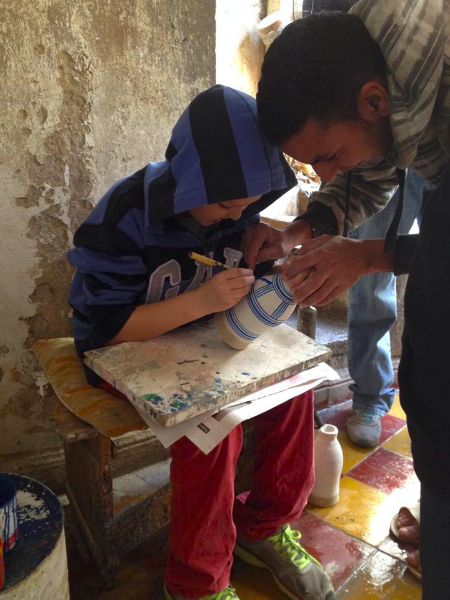
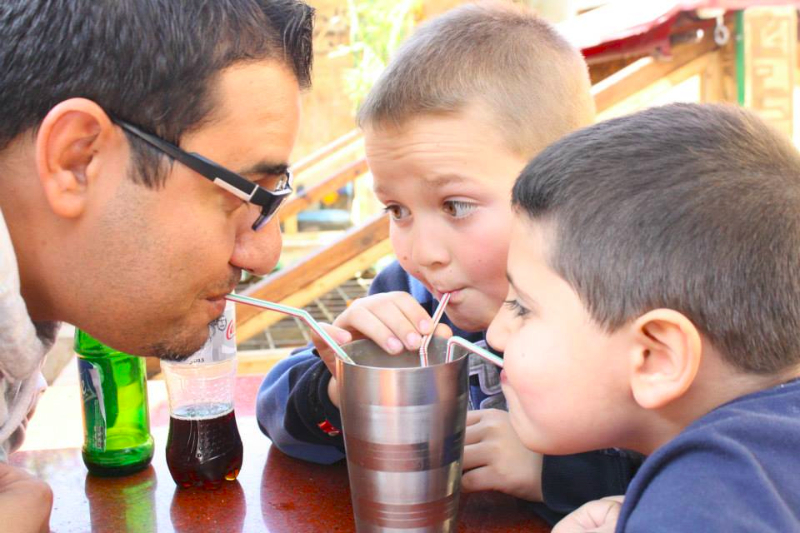

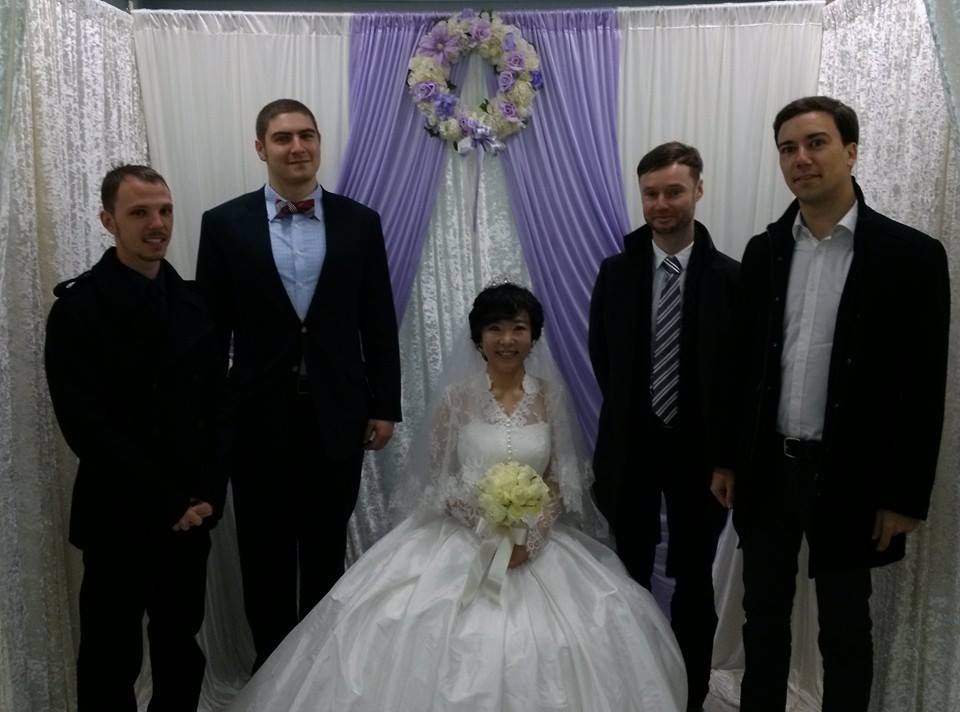













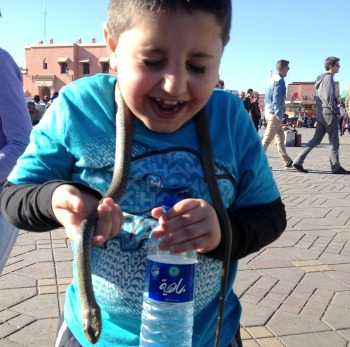

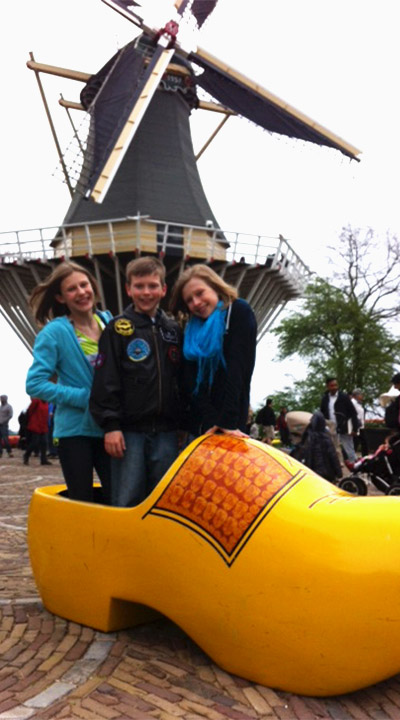



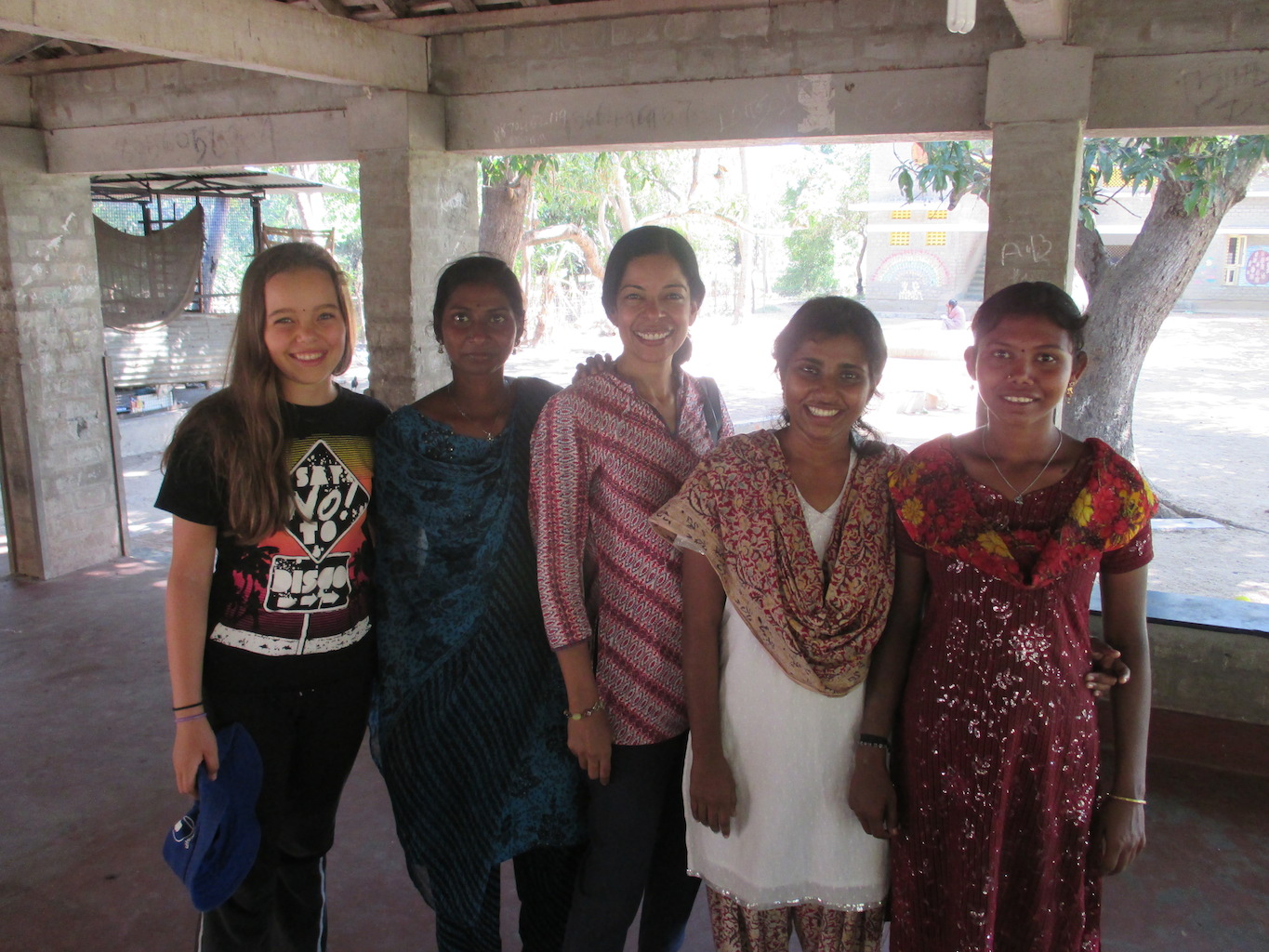





What is a third culture kid? In expatland, it is a person who has spent a significant part of his or her developmental years outside of the parents’ culture. Third culture kids frequently build relationships with all of the cultures they experience, while not having full ownership in any.
Many of our articles focus on expat families and trailing spouses. But what about expat kids? What problems do they face, both short-term and long-term?
Lois Bushong knows all about third culture kids, or as she refers to them: TCKs. Lois was a TCK in Latin America for years, but now works with many expats through her firm, Quiet Streams Counseling in Fishers, Indiana, just outside of Indianapolis. She also is the author of “Belonging Everywhere and Nowhere: Insights into Counseling the Globally Mobile.”
We asked her to tell us about some of the problems expat kids face when their family moves abroad.
“Several things can happen, although they do not all happen to everybody,” Bushong said. “Everybody’s different, but the main problem many experience is repeated grief. Kids are constantly saying goodbye, so the grief cycle just keeps going over and over. I think one of the biggest challenges children have that can come back and haunt them as adults is unresolved grief. Many have not processed the grief that often comes with moving abroad.”
Bushong said unresolved grief might lead to feelings of continual rootlessness later in life. Third culture kids who do not or cannot deal with the grief often suffer from long-term depression.
“TCKs often do not know where they belong and feel out of sync with the world,” Bushong explained. “Most often it is unresolved grief from all the transitioning and moving they have been through. The best way to deal with this is to have them talk about friends they have lost and create understanding by having them discuss what they are feeling and why.”
Bushong believes that addressing this issue from the very first move abroad can lessen problems TCKs may experience later in life.
“Parents should talk about the move with their children far enough in advance to give everyone time to adjust,” Bushong said. “Too often I will ask a child how they found out about the move and they will say they were told about it on the way to the airport. No chance to say goodbye to their friends.”
Parents, Bushong said, need to bring kids into the planning process early. She recommended parents talk about the country, find it on the map and provide coloring books of the country to get younger kids involved. For older kids, let them do some of the country research, see a movie about the country and, if possible, do a family field trip to the country.
“I think parents set the tone by their words and actions,” Bushong said. “If mom and dad are moaning and groaning about the move, that has to have a negative effect on the kids. But, if you can tell them it is going to be an adventure that we are all going to do together, that is a big help.”
Of equal help, Bushong said, is facilitating a way for kids to say goodbye to friends and family, which allows them to grieve.
“Having a going away party that allows kids to exchange tokens of remembrance with their friends, exchange email and Skype addresses and say goodbye helps them process the grief and stay connected,” she said.
Bushong also recommended parents pack favorite toys, photos and other treasured items in carryon luggage when moving. “Try to maintain as much as possible the same schedule, structure, rules and traditions so there is consistency in the lives of the kids,” she said. “This helps TCKs manage the stress of moving abroad.”
But even with inclusive planning, some kids still may regress developmentally, Bushong said. “A child that may be potty trained may start wetting the bed, but just be patient, they will come around.”

No Comments