






Geography and Climate
Belize is the second smallest and least populated country in Central America. About the size of Massachusetts, it is situated on the Caribbean coast of Central America with Mexico to the north and Guatemala to the west and south. The terrain is low and flat along coastal areas and in some northern regions of the country. The central and southern regions have low mountains that gradually rise to over 3,500 feet.
Belize’s capital is Belmopan and the country is divided into six distinct Districts: Corozal, Orange Walk, Belize, Cayo, Stann Creek and Toledo.
Corozal and Orange Walk Districts in the northern part of Belize hold about 27 percent of the country’s population. These Districts feature Mayan archaeological sites and the natural beauty found in the northern jungles, rainforests and lagoons. Bordering both Mexico and Guatemala, they have more of a Spanish feel. About 70 percent of the country’s Mennonite population lives in northern Belize.
The Belize and Cayo Districts in central Belize are known for majestic Mayan sites, dense jungle, towering waterfalls and mysterious caves. The Belize District, which also includes Ambergris Caye, has the largest concentration of expats in Belize.
Belize City is the country’s largest city and is best known as the cultural and business center of Belize. It is a jumping off point to the country’s other areas and attractions, but is also a tourist destination itself, with colonial architecture, good shopping and fine dining. The country’s international airport is located there as well as its largest port.
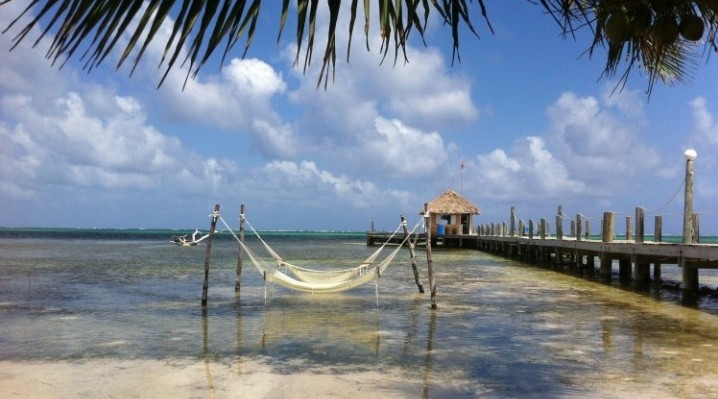
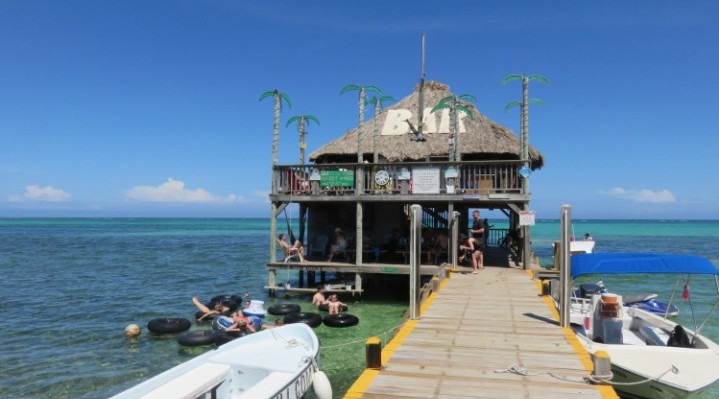
The Stann Creek and Toledo Districts, known for mangrove-fringed lagoons, coral-studded cayes, jungle rivers, rainforests and Mayan ruins, occupy the southern portion of Belize.
U.S. Central Standard Time is used in Belize year-round. No Daylight Saving Time is observed.
Belize’s tropical climate is characterized by rainy and dry seasons. The dry season is from November to May and divided between a cool November to February transition period and a warm and dry March through May period. March is the driest month of the year. Most of the nearly 60 inches of rain in the north and 160 inches in the south falls between June and November, with a brief reprieve in August, referred to locally as the “Mauga.”
Belize is warm all year with coastal high temperatures that average 86 F with average lows of 72 F. Saltwater temperatures range between 75 F and 84 F. Temperatures heat up a bit inland with average highs of 88 F and lows of 69 F. It is a bit cooler in the mountain regions with average highs of 77 F and lows of 64 F. January is the coldest month and May the warmest.
The country is in the hurricane belt with the months of September and October being the two most active hurricane months. Earthquakes also occur in Belize.
People and Culture
Belize is a small country with an estimated population of less than 350,000 people. It is also a young country with a median age of just 22. More than half live in rural areas and just over 70,000 live in Belize City, the principal port and business center.
Belizeans are by nature friendly and welcoming. While the 2010 Belize census shows only 3,279 Americans are official residents of Belize, the number of American expats has increased nearly 90 percent since the 2000 census. Two-thirds live primarily in the Belize and Cayo Districts.
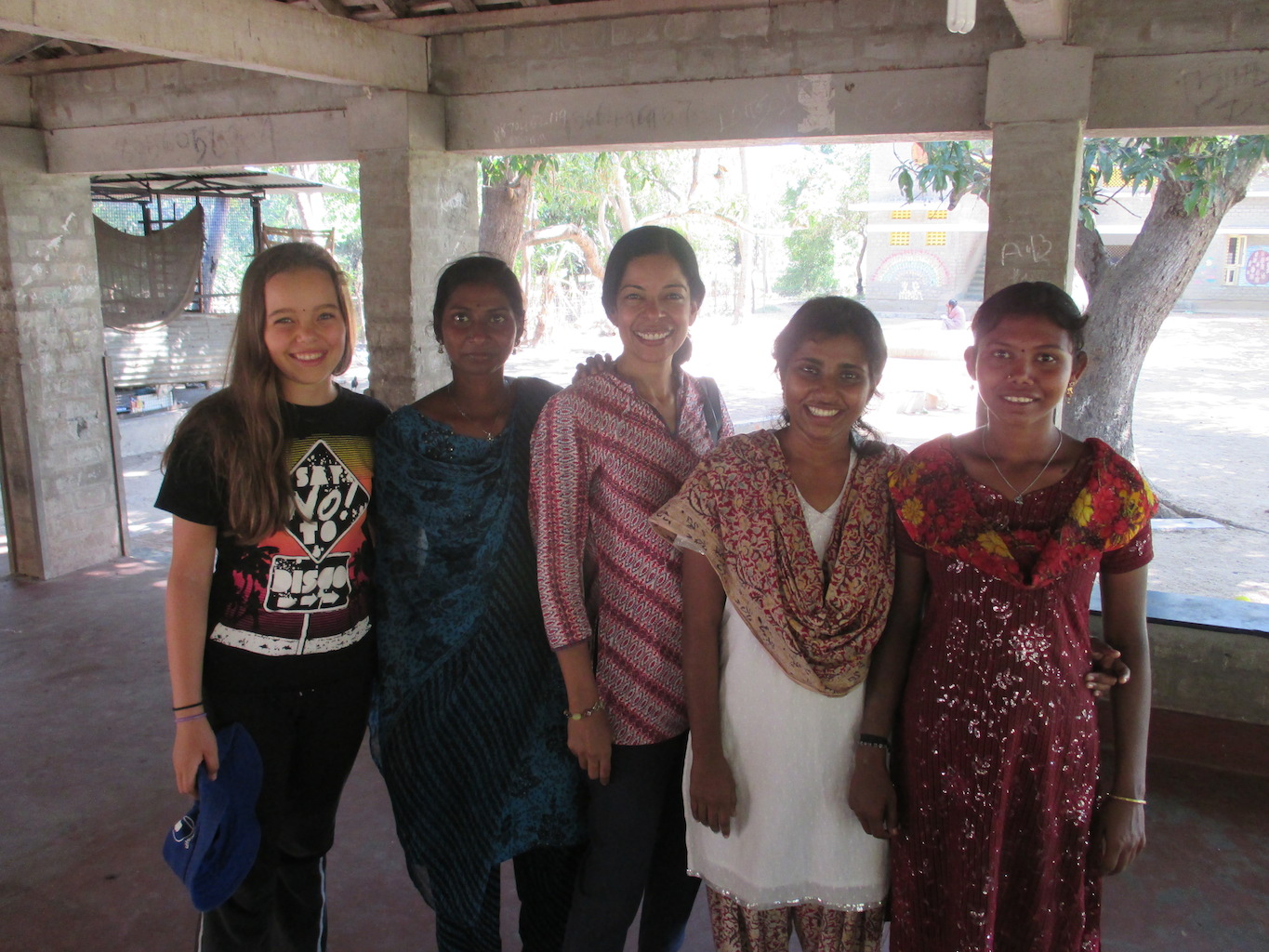
The Belizean people are a combination of Mestizo, Creole, Maya, Garifuna, East Indian, Mennonite, Caucasian, Asian, Black/African and others. Nearly 3 percent of the population is Mennonite.
Distinctively, Belize is the only country in Central America where English is the official language. Kriol (Belizean Creole) is widely spoken and remains a significant part of everyday conversations. Spanish is the mother tongue of more than half of the population and taught in primary and secondary schools.
Belize is a country rich in ancient Mayan culture. It was the site of several Mayan city-states until their decline at the end of the first millennium A.D. The British and Spanish disputed the region in the 17th and 18th centuries before it formally became the colony of British Honduras in 1854. Territorial disputes between the United Kingdom and Guatemala delayed the independence of Belize until 1981. Guatemala refused to recognize the new nation until 1992. Belize is a member of the British Commonwealth, has a stable parliamentary democracy and a legal system based on British law. Tourism has become a major part of its economy.
No Comments