









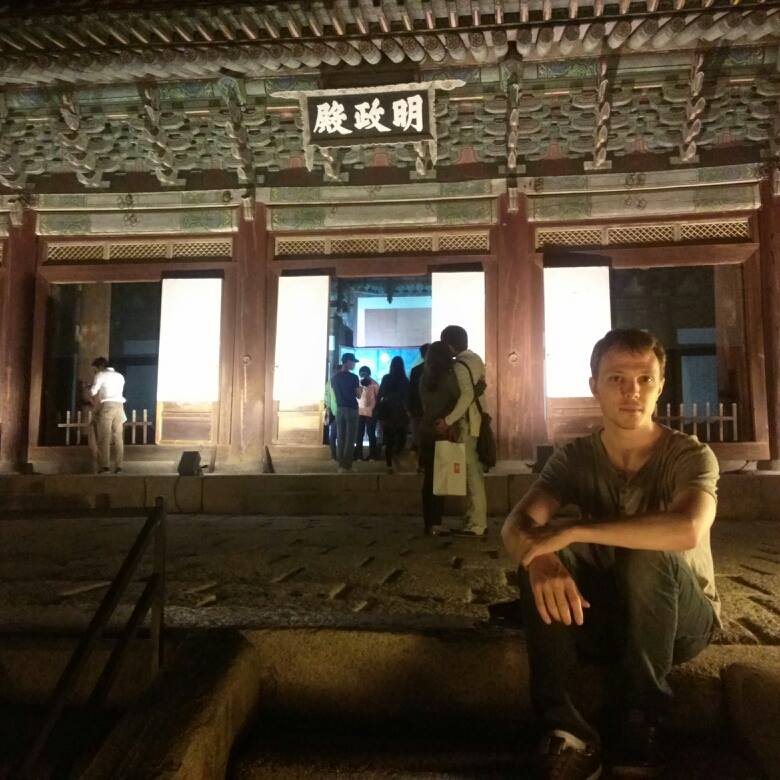
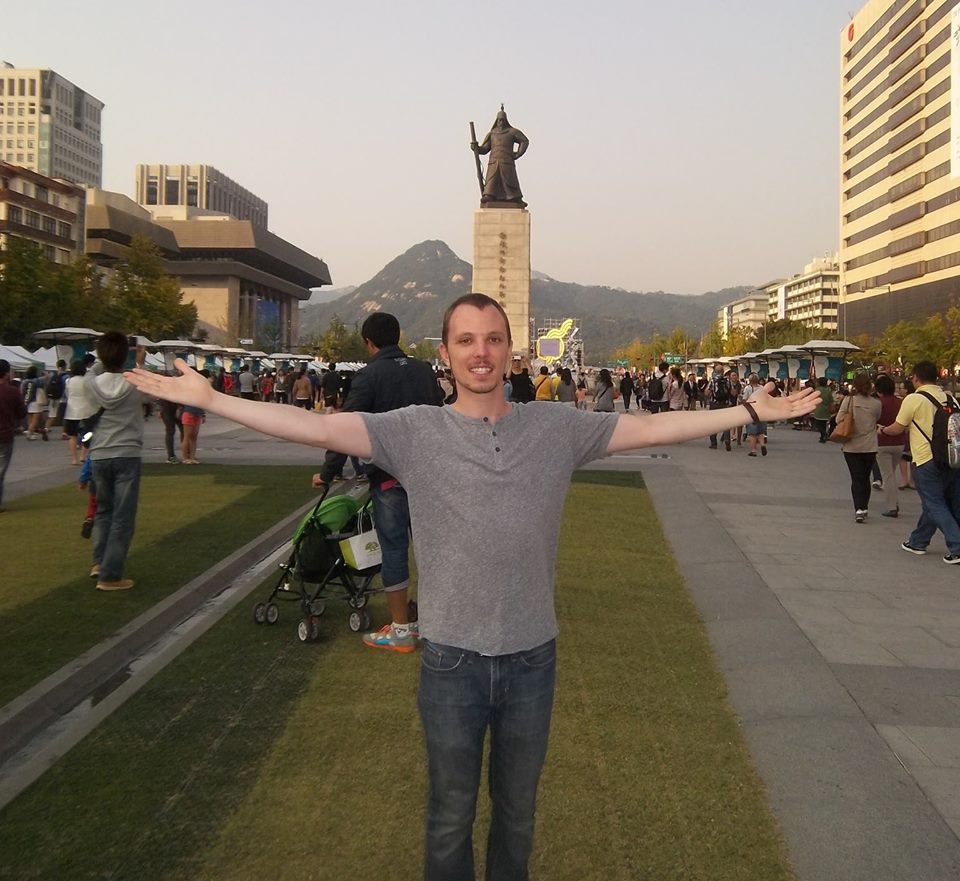
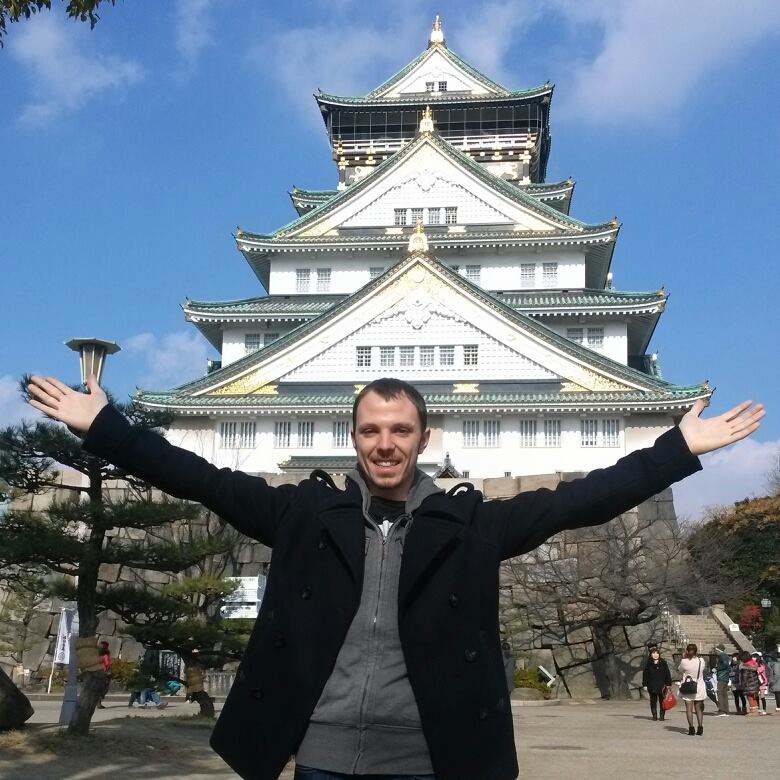
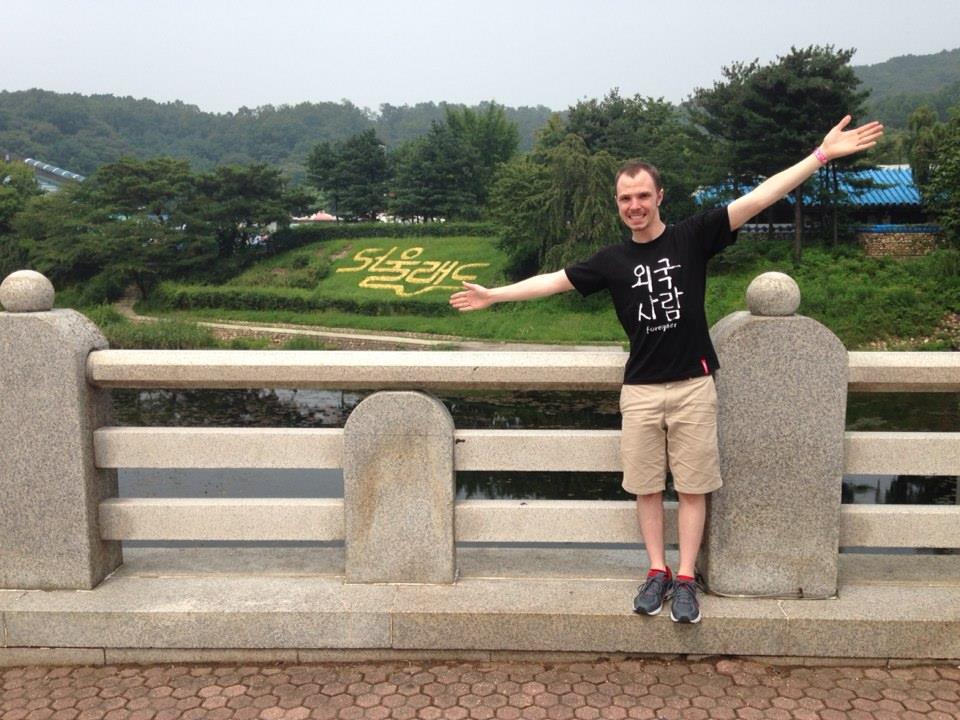


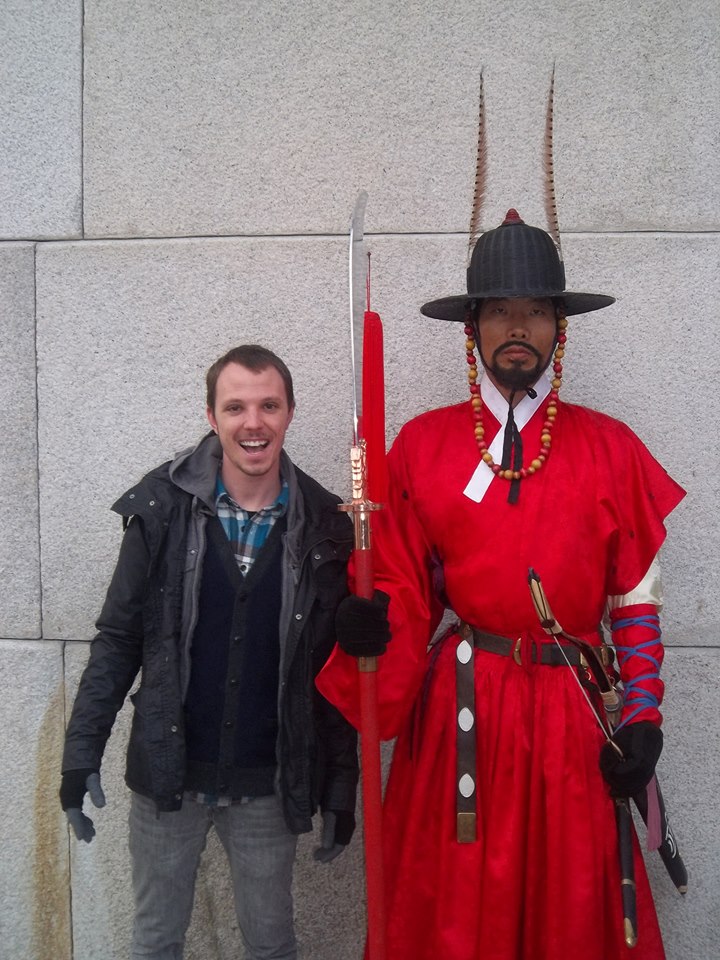




In our article “Teaching English Abroad” we met recent San Jose State University graduate Tim Winfred as he was preparing to embark on his adventure to teach English at a private school in Anyang, South Korea.
Winfred is back home again in the San Francisco Bay Area after his one-year adventure and shared his many experiences with us.
“I decided to teach English in another country for several different reasons,” he explained. “I was working a regular 9 to 5 Monday through Friday job at a public relations firm in San Jose, California but had been seriously bitten by the travel bug after a trip to England. When I found out that my brother had just been assigned to a U.S. Air Force base south of Seoul, I began looking for ways to get there. A Teaching English as a Foreign Language (TEFL) program was a good way to go and be paid. It did not hurt, either, that South Korea topped the list of best-paying countries for TEFL teachers.”
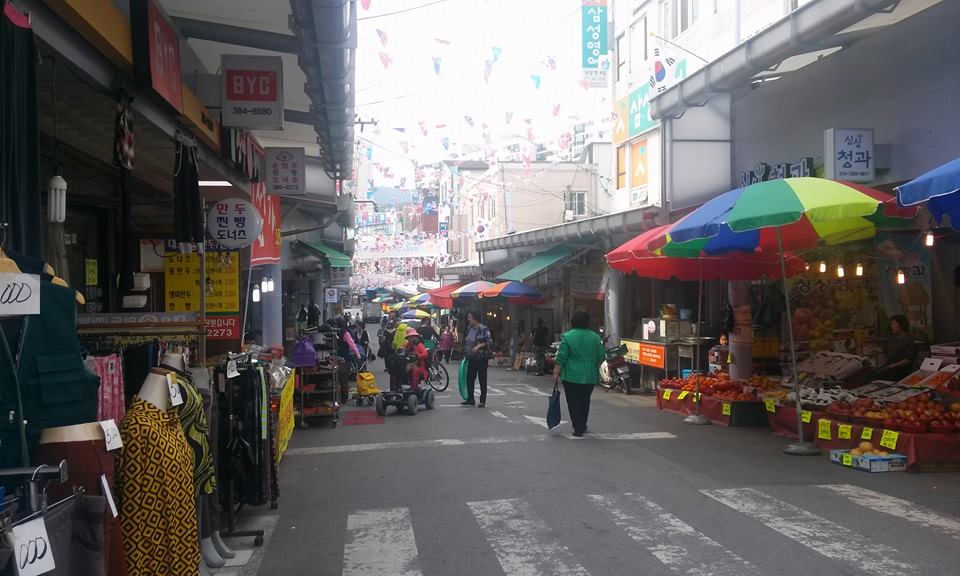
After receiving his TEFL certificate from the International TEFL Academy, Winfred found a job in Anyang, a city of nearly 700,000 people located just 30 minutes south of Seoul by subway.
“My apartment was in an ideal location because I was just a 10-minute walk from work and an hour by subway from my brother,” Winfred said. “The great thing about the Seoul metropolitan area is its transportation system. Everyone is a15 minute walk from a subway and the bus system is excellent.”
Winfred taught at a private school, called a hagwon in Korean. “I worked primarily with elementary and middle school students,” Winfred told us. “My day started at 2 p.m. and I worked until 9 p.m. Monday through Friday. Within the country’s education system, hagwons are academies that students attend after their regular school day at a public school. South Korea has a superior school system, but there is a lot of academic pressure to succeed, so hagwons are a very popular way for students to improve their skills, in this case, English.”
The school year in South Korea starts at the beginning of each calendar year. “When the year begins students have little or no understanding of English,” Winfred said. “You spend the first five or 10 minutes of each day checking homework assigned the previous day, review the lesson from their previous class and then move on to the new material covered in their workbook. A lot of the day, though, is spent on review and reinforcement of what they have learned.”
Winfred alternated classes with his South Korean co-teacher. He taught the same class Monday, Wednesday and Friday but a different class on Tuesday and Thursday. Students who could not understand the lesson from him had an opportunity to hear it explained to them in their own language by the co-teacher.
“The great thing about the job is the amount of free time you have,” he said. “You have the mornings and weekends to go out and enjoy your time with co-workers. I spent most of my time with them and other American expats because we did not speak Korean, although I did learn to read some Korean by the end of my tenure. There is a very large expat community in the Seoul-area. I met people from South Africa, England, Ireland, Canada, Australia, New Zealand, mainly English-speaking countries. And just about every group has a Facebook page for communication and meet-ups.”
His free time also afforded him the opportunity to become an entrepreneur. “I actually started a website and have been able to build it up substantially,” Winfred said. “I think one of the major factors that has made my specialized entertainment blog so successful is the time differential between South Korea and the U.S. My off hours were perfect for breaking stories that helped me grow the site. The great thing was that I was able to continue working in my field while living in a foreign country doing a totally different type of job.”
No Comments